

Modern construction projects are complex and involve numerous stakeholders: project owners, project managers, contractors, and design offices. Each produces a significant volume of data—plans, BIM models, technical studies, reports—that must be centralized and tracked to avoid errors, information loss, and delays.
Digital continuity in the construction industry allows for the seamless, secure, and uninterrupted transfer of information from design to construction. For the project owner, it is essential for ensuring effective digital construction project management and reliable digital site monitoring, while guaranteeing coordination, traceability, and adherence to deadlines and budgets.
A Common Data Environment is more than just a storage space. It is a working method for transforming project information into more reliable decisions.
Construction projects often involve numerous stakeholders, tight schedules, strict budgets, and high quality standards. Managing these elements effectively is essential to ensuring the success of a construction project.
10 major benefits of a CDE
The CDE stands out for its automation processes, from data validation to access rights management. Team members collaborate more effectively, and processes become more fluid. Automated validation, distribution, and revision workflows eliminate the risk of errors. They optimize productivity, freeing up valuable time. No more manually moving items from one folder to another to assign access rights—everything is done automatically! Results:

With a CDE, access rights are assigned consistently and efficiently based on team member roles as well as other companies working on the project. Integrated automation manages rights within validation workflows, ensuring secure access to relevant information for each stakeholder while eliminating the risk of data leaks.

From design to operation
The design phase is the starting point for any construction project. It includes the preliminary design (APS), detailed design (APD), final design (PRO), and tender documentation (DCE) stages. Each stage generates technical documents, studies, and plans that must be approved by the project owner before moving on to the next step.
During this phase, digital continuity plays a key role by centralizing all information and enabling seamless construction project management. It fosters an efficient collaborative construction process, where communication between the project owner, the project manager, and the various design offices is secure and tracked. Thanks to the integration of BIM management, digital models and plans are shared and updated in real time, ensuring that all stakeholders have access to the most current information.

Once the tender documents are approved and contracts awarded, the project enters the construction phase. The organization may vary depending on the type of contract: general contractor or separate trade contracts. Regardless of the structure, construction site digitalization becomes essential to structure information, track progress, and coordinate stakeholders in the field.
Site monitoring tools allow the project owner to supervise work, quickly identify deviations from the schedule, and ensure effective site supervision. Real-time site management ensures that information is updated instantly, facilitating decision-making and coordination between all teams involved.
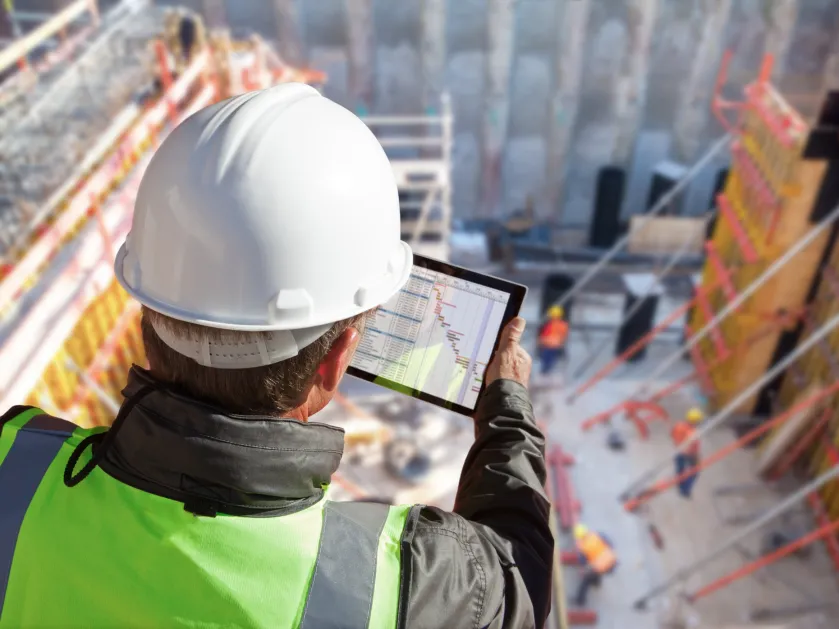
Digital continuity is not limited to document management: it also includes temporal continuity, which ensures that each phase of the project remains aligned with the initial objectives. Adherence to deadlines and contractual commitments is crucial to avoid drift and maintain control over costs.
By ensuring information continuity, the project owner can monitor the project's progress in real time and anticipate risks. This makes it possible to control budgets, reduce delays, and secure the quality of the work, thereby contributing to optimal and efficient construction project management.
Multi-stakeholder collaboration
In construction projects, the stakeholders involved are often very diverse: engineers, project managers, contractors, financial offices, and field teams. This diversity can create information silos, where data is fragmented and difficult to access. Business continuity aims to avoid these gaps by ensuring data consistency throughout the entire project.
Data interoperability is essential for sharing and updating information between different tools and platforms. Modern solutions, particularly Common Data Environments (CDE), allow for the centralization of all information, ensuring fluid and transparent collaboration between the project owner and the project manager. Decisions are thus made based on reliable, shared information, reducing the risks of errors and misunderstandings.
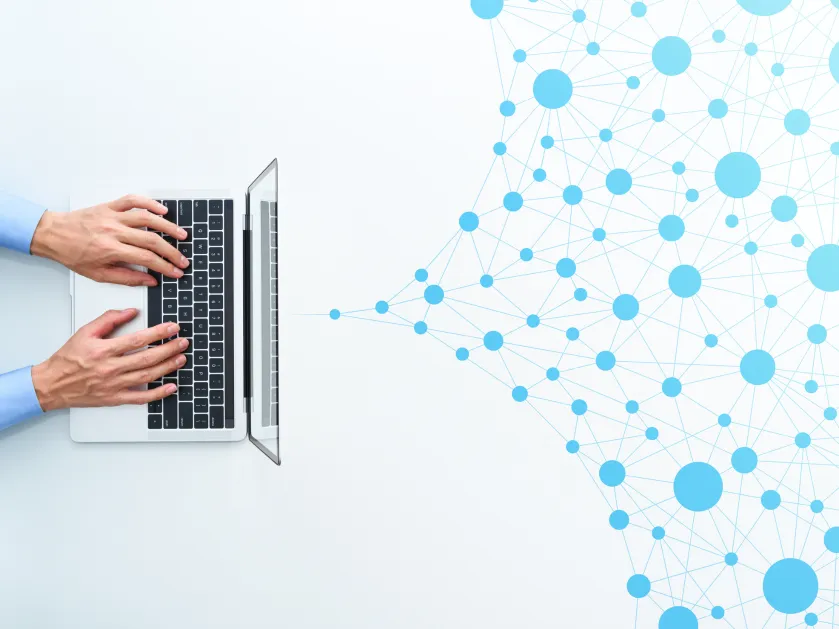
Business continuity is not limited to data sharing: it also involves information completeness and the ability for each stakeholder to access relevant data in real time. Modular Construction Project Management solutions that integrate a CDE module, a FIELD module, and a Finance module offer this flexibility, allowing field teams, engineers, and financial departments to work in a coordinated manner.
Thanks to high-performance construction project management software, information is structured and accessible according to the needs of each profile. This promotes coordination between the field, engineering, and finance, ensures the traceability of actions, and facilitates informed decision-making. For the project owner, this business continuity translates into better project visibility, risk reduction, and increased control over deadlines and costs.
Costs, deadlines, quality: what changes
Implementing digital continuity and business continuity in construction projects provides tangible benefits for the project owner. First and foremost, it allows for better control over costs and deadlines. By centralizing information and ensuring real-time monitoring, the project owner can quickly identify deviations from the schedule or budget, anticipate problems, and make informed decisions to keep the project on track.
Reducing errors and improving quality are also major benefits. Centralizing documents, tracking data, and coordinating all stakeholders limit the risks of inconsistencies and human error, thereby ensuring increased control over the quality of deliverables and work. Furthermore, digital continuity facilitates optimized coordination between project stakeholders. Every participant, from the field to engineering and finance, has access to reliable, up-to-date information, which fosters collaboration, reduces misunderstandings, and accelerates problem resolution.
Finally, traceability and compliance are ensured at every stage. All exchanges, approvals, and documents are recorded, providing formal proof in the event of a dispute and guaranteeing adherence to standards and contractual obligations. All these benefits contribute to more efficient, secure, and predictable digital construction project management, fully meeting the expectations of project owners.
Did you know?
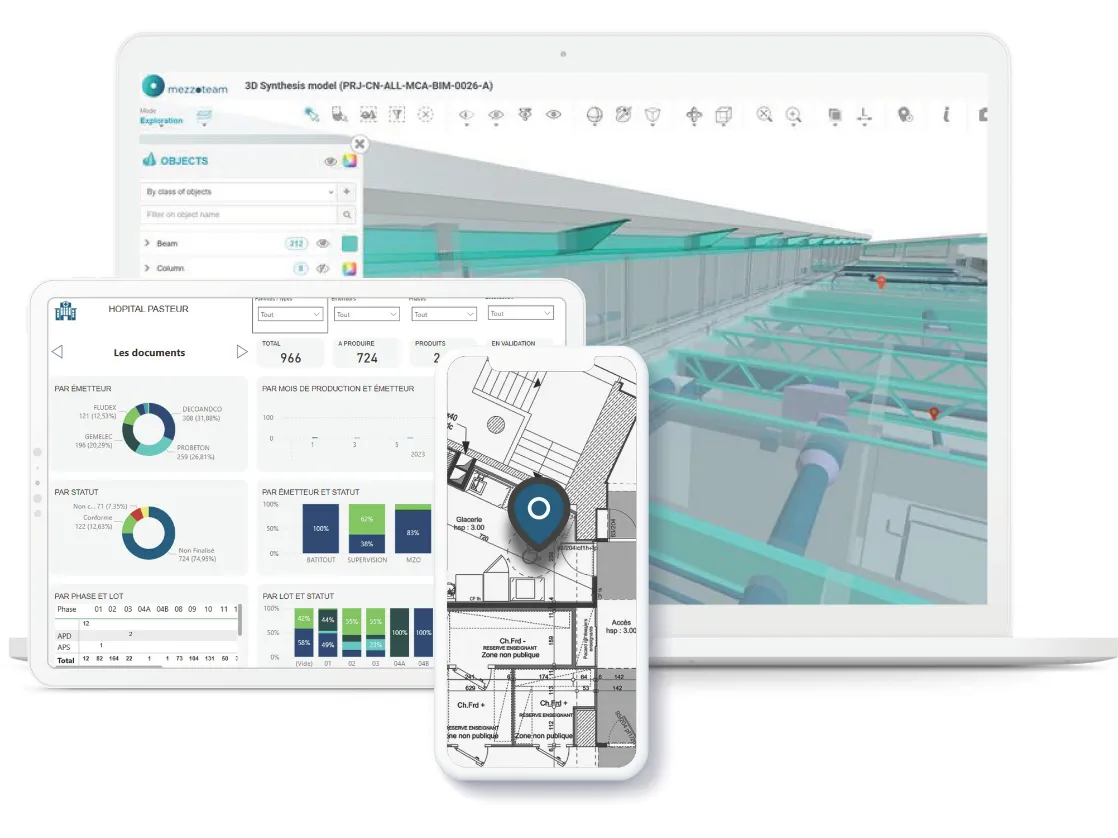
Mezzoteam helps strengthen digital continuity in the construction industry. The Construction Project Management platform offers real-time site monitoring, centralizes documentation, and promotes data interoperability between all project stakeholders. These features facilitate real-time site management and help secure the transmission of information throughout the project lifecycle.
Digital continuity has become a central issue for project owners in construction projects. It ensures a fluid, secure, and structured transmission of information, facilitates coordination between the various stakeholders, and allows for real-time monitoring of site progress. By centralizing data and ensuring its traceability, it contributes to cost and schedule control, quality improvement, and project compliance.
Adopting appropriate digital practices and tools makes it possible to secure every stage, from design to completion, and to effectively manage projects while reducing the risk of errors and delays.
Personalized support
Contact us for help choosing the best features and collaborative platform for your construction project.
Contact us
